We Planned Because Time Matters
Some adventures required months of planning. We researched accessibility, packed extra equipment, and mapped wheelchair routes.
It was worth it.
Walking & Active
Helping families preserve joy, participation, and childhood during the walking years.
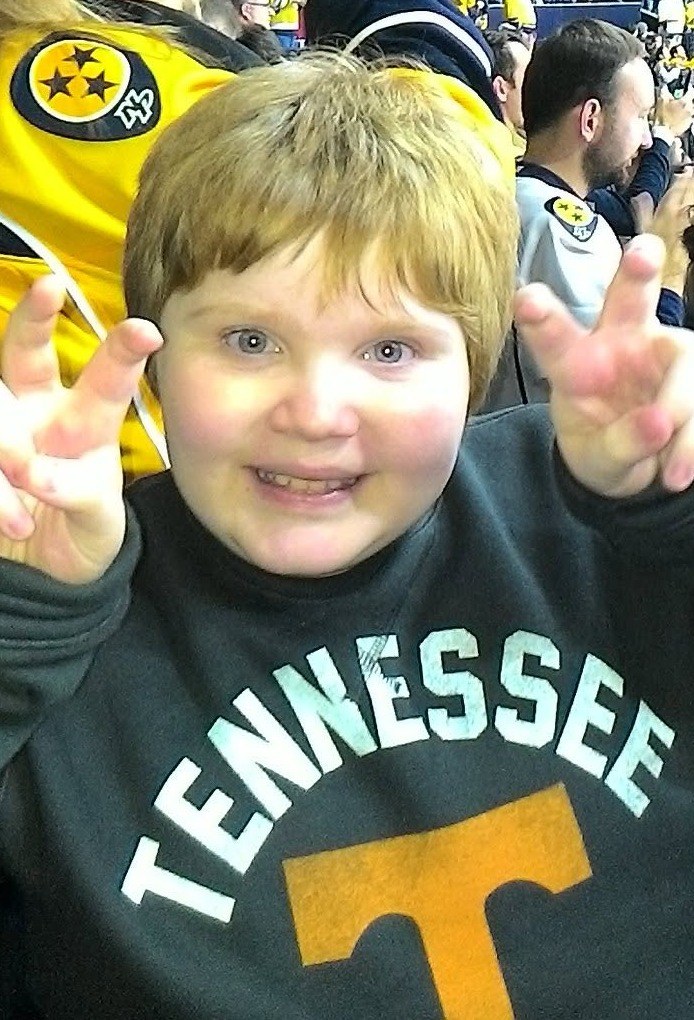
Duchenne changes many things. But it does not have to take away childhood.
During the walking years, children are still building memories — riding bikes, splashing at the beach, going to ball games, traveling with family, sleeping in tents, wandering through museums, blowing out birthday candles.
The path may look a little different. The pace may need to slow. The planning may need to grow. But the joy, the participation, and the wonder of childhood are still absolutely possible.
This page is here to help you say yes — to the trip, the bike, the beach, the adventure — while there's still time to say yes easily.
These moments matter. The experiences, the adventures, and the everyday joy — they build memories that last a lifetime.
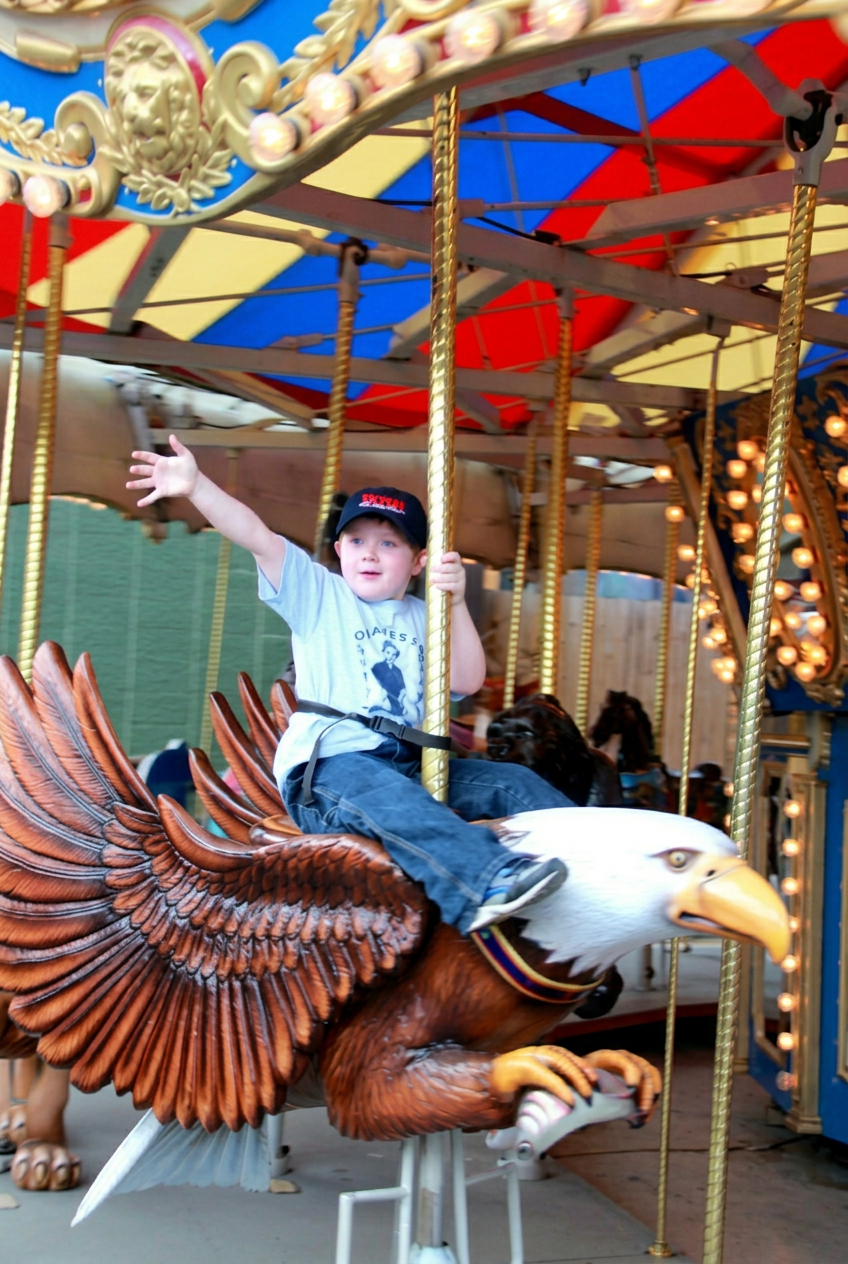
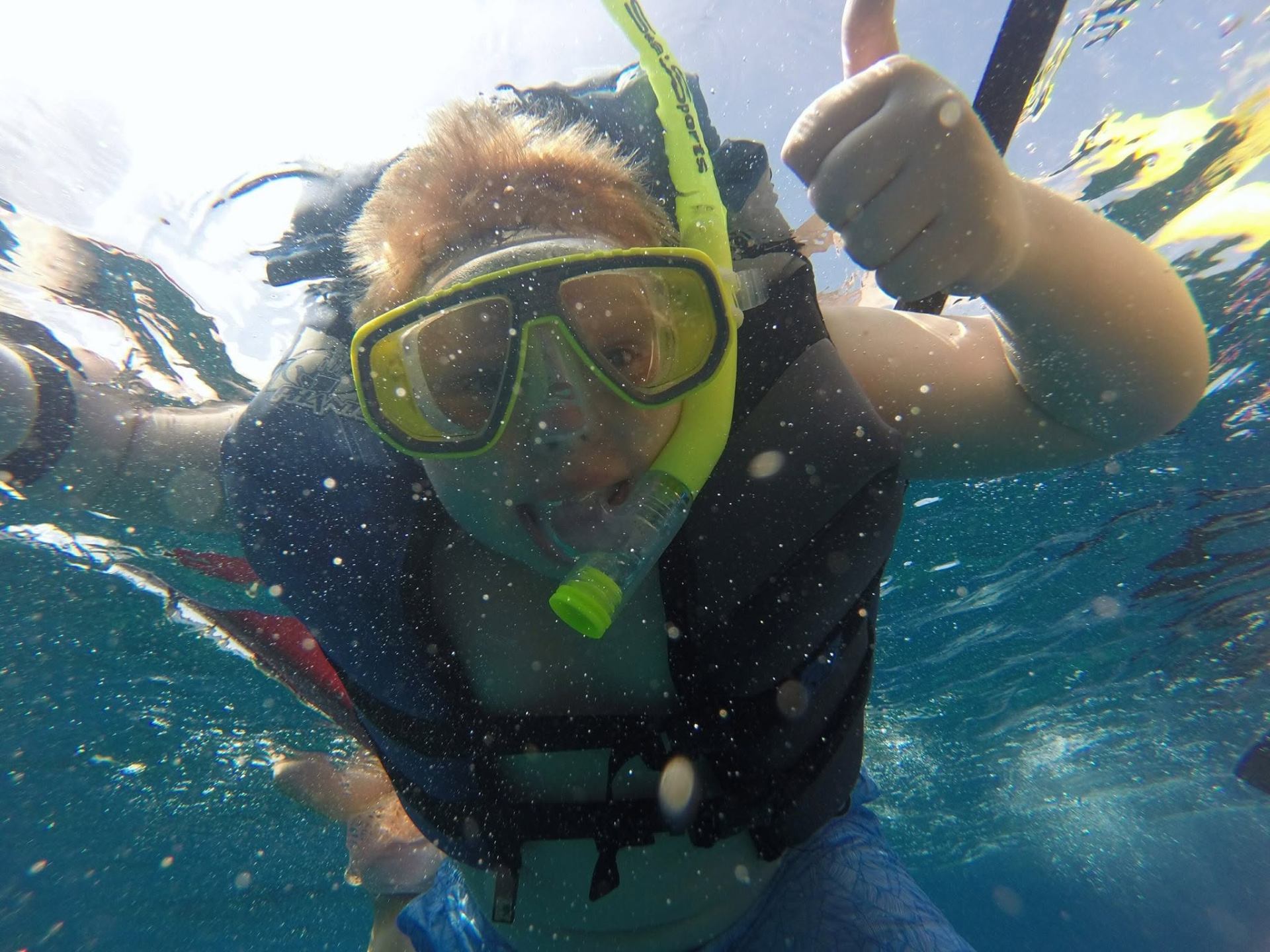
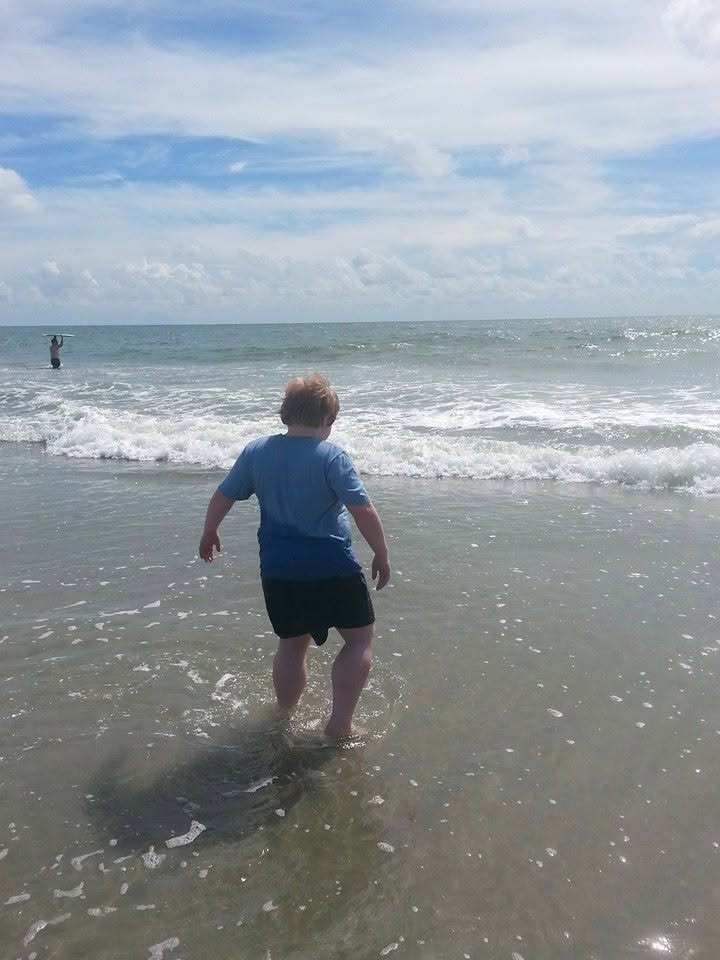
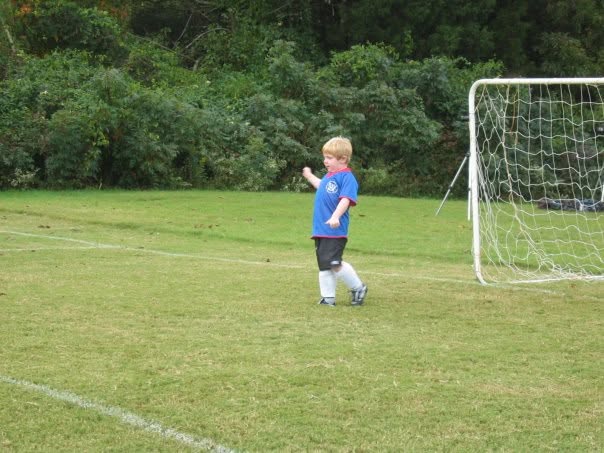
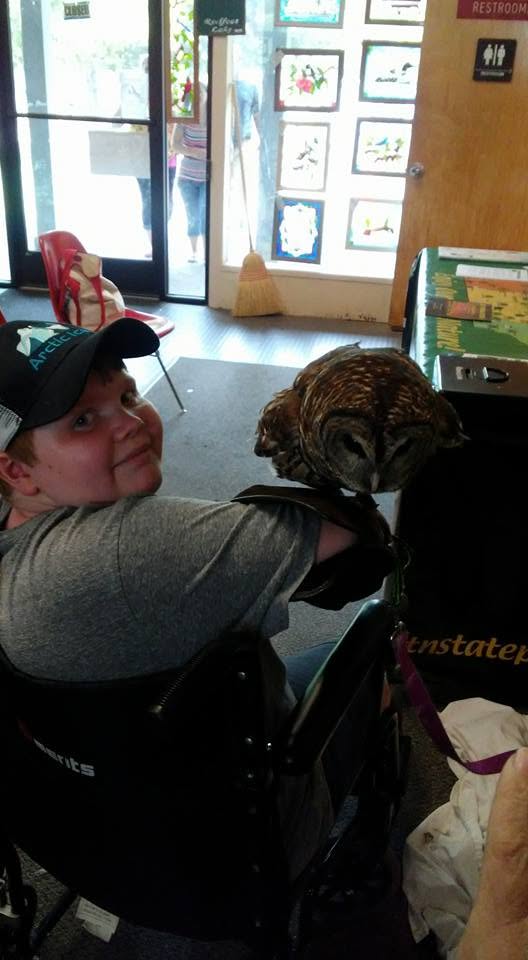
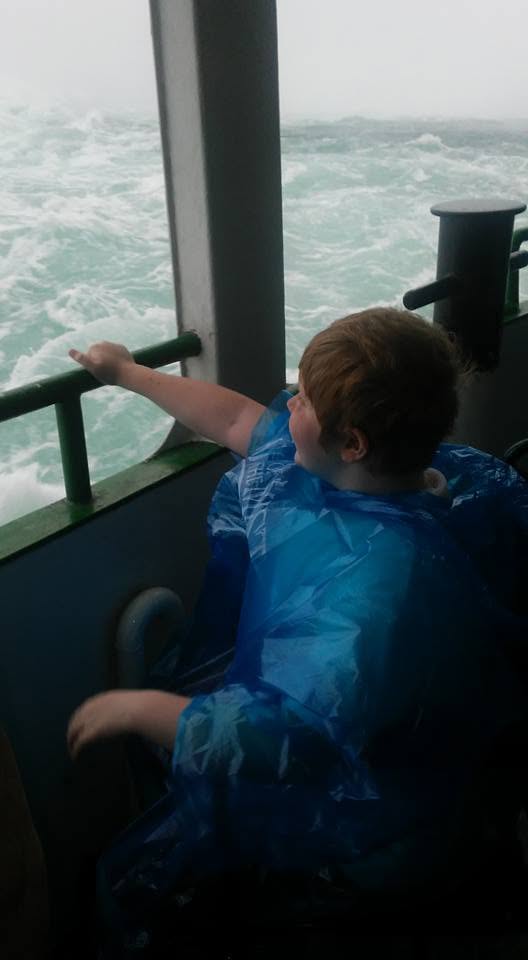
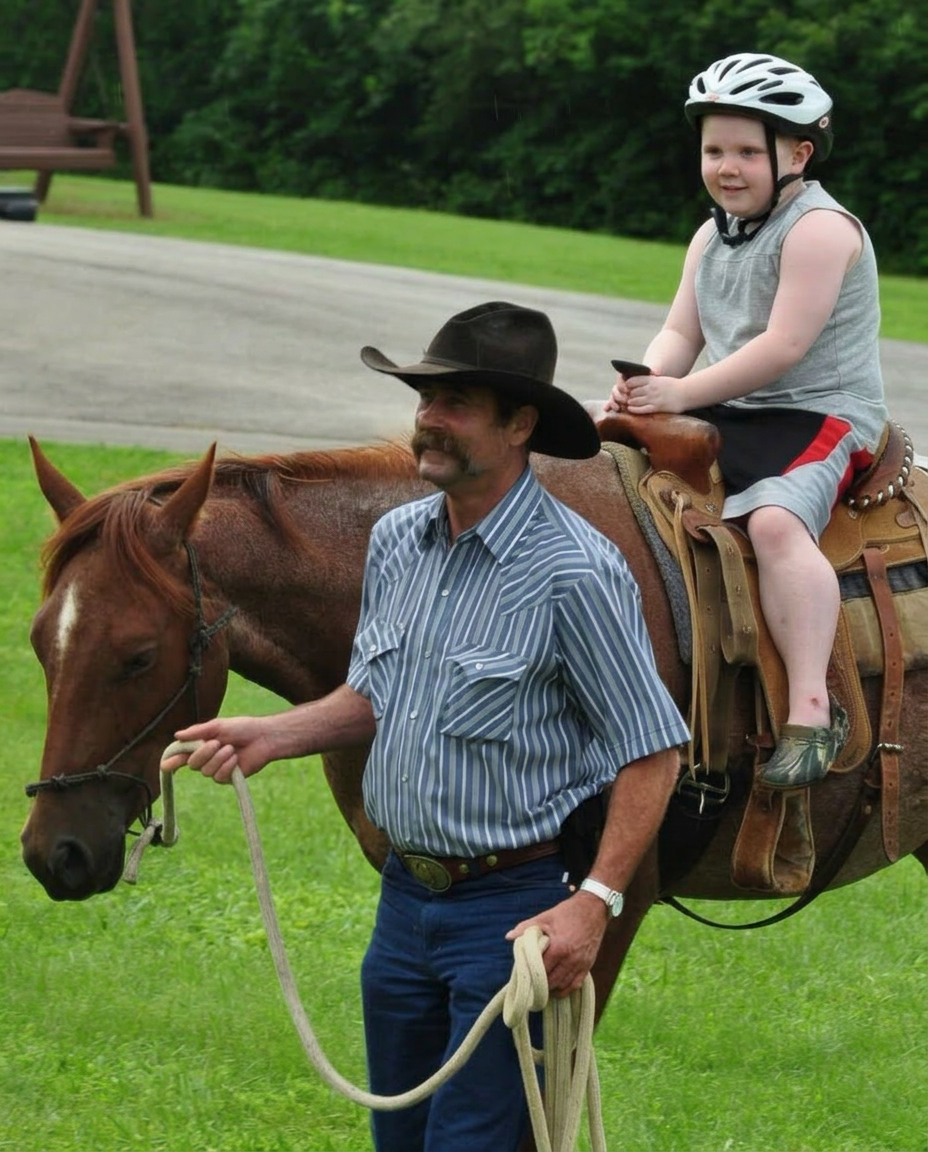

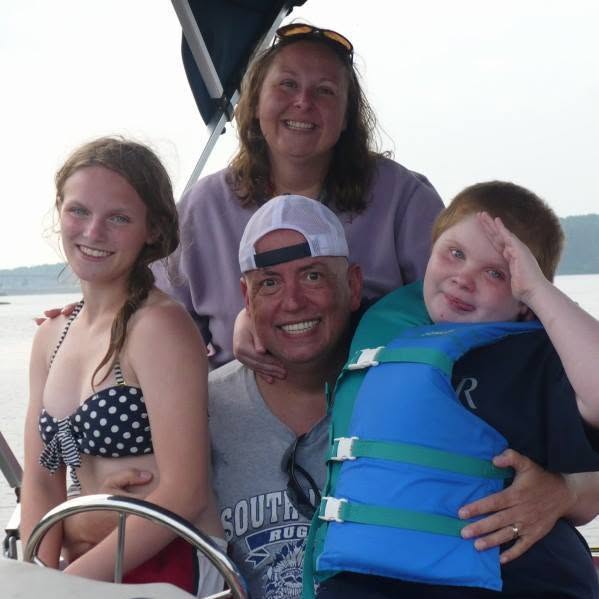

Some adventures required months of planning. We researched accessibility, packed extra equipment, and mapped wheelchair routes.
It was worth it.
It's not just ramps or elevators. Accessibility means creating opportunities for your child to participate in life — because they belong everywhere.
Medical equipment will break. Rain will happen. Plans will change. Go anyway. The memories won't be perfect. They'll be yours. And they'll be enough.
You probably won't think about insurance approvals or medical decisions. You'll remember the smile, the laugh, the trip, the ordinary day that became unforgettable.
Practical ways to keep saying yes
A starting place for the conversations, gear, and resources that help families keep childhood wide open.
What We Wish
Someone Had Told Us
Honest advice and lessons learned from Duchenne families who've been there.
When our child was younger, we spent a lot of time worrying about what was coming next — the next appointment, the next test, the next piece of equipment, the next stage of Duchenne. Those things mattered. But if we could go back and tell ourselves one thing, it would be this:
Don't let planning for tomorrow keep you from living today.
At some point, we realized that childhood isn't measured in clinic visits or equipment deliveries. It's measured in moments. The fishing trip where nothing was caught. The bike ride around the neighborhood. The family vacation that took months to plan. The baseball game. The Christmas tradition. The day at the beach. The ordinary Saturday that somehow became unforgettable.
Some of those memories were easy to make. Many weren't. They required planning, extra supplies, accessible hotel rooms, rest breaks, backup plans, and sometimes a lot of determination. Looking back, we've never regretted making the effort. Not once.
We also learned something we wish someone had told us much sooner: You don't have to wait until something becomes impossible before finding a different way to do it. An adaptive bike didn't replace riding bikes — it gave Jake more years of riding beside his friends. Using a lightweight wheelchair on vacation didn't replace walking — it gave him enough energy to enjoy the entire day. Small adaptations often protected the experiences we valued most.
That's what we wish someone had explained to us. The goal isn't to preserve every activity exactly as it has always been. The goal is to preserve the joy that comes from it.
One day, you'll look back through your photos. You probably won't remember how many insurance forms you filled out, or exactly when a piece of equipment arrived. You'll remember the smile after the dolphin encounter. The camping trip. The museum. The baseball game. The family vacation. The Christmas morning. The ordinary moments that became extraordinary simply because you were together.
Our hope isn't that childhood is perfect. It's that it's full — full of laughter, curiosity, adventure, family traditions, friendships, new experiences, quiet moments together, and memories that will outlast every challenge this disease brings.
Because in the end, our greatest hope isn't simply that our children live longer. It's that they live fully.
We can't slow time. But we can choose how we spend it.
Let's make every day count.
Related resources
Protecting strength, energy, and participation throughout the walking years.
OpenStretches, exercises, and movement activities for daily life.
OpenSupporting your child at school and growing their independence.
OpenBrowse approved and emerging therapies across the standard of care.
OpenFunding for equipment, travel, and accessible adventures.
OpenEmotional well-being, confidence, siblings, relationships, and finding community during the walking years.
Open